

When most people hear the word recovery, they imagine stopping.
Sit down. Take the day off. Don’t do too much.
Sometimes that is exactly what the body needs.
But recovery is not just the absence of effort. It is the process that helps you come back with more capacity than you had before — physically, mentally, and emotionally.
That process may include rest, but it also includes:
- Sleep
- Nervous-system downshifting
- Enough food and water
- Lower overall stress
- Light movement that restores more than it costs
A person can spend all day “not working out” and still not recover well. They can also go for an easy walk, breathe, sleep well, eat enough, relax a little, and wake up more ready than they were the day before.
That is the difference this page explores.
Recovery Is What Lets Adaptation Happen
Training, hard work, repetitive movement, stress, poor sleep, and life in general all create load. Recovery is what helps the body absorb that load and adapt.
Without recovery, stress just keeps stacking. With enough recovery, the body has a chance to rebuild, reorganize, and come back more prepared. That is true for:
- Sore muscles
- Drained energy
- Mental fatigue
- Irritated nerves
- General wear and tear
- Day-to-day movement confidence
In simple terms: stress is the cost. Recovery is what helps you pay it back.
Rest stops the input. Recovery helps you rebuild.
Rest Helps. But Rest Alone Is Not the Whole Story.
This page is not arguing against rest. Sometimes complete rest is absolutely appropriate. If you are acutely ill, freshly injured, severely fatigued, or obviously overreached, doing less may be the smartest thing you can do.
But in ordinary life, recovery is often broader than lying down.
A person can rest physically but stay wound up mentally. They can skip exercise but sleep badly. They can avoid training but stay under-fueled and dehydrated. They can sit still all day and feel even stiffer by evening.
That is why recovery is bigger than “I didn’t do much today.”
The question is not only: Did I rest?
The better question is: Did anything today actually help me restore capacity?
Sleep Is Still the Big One
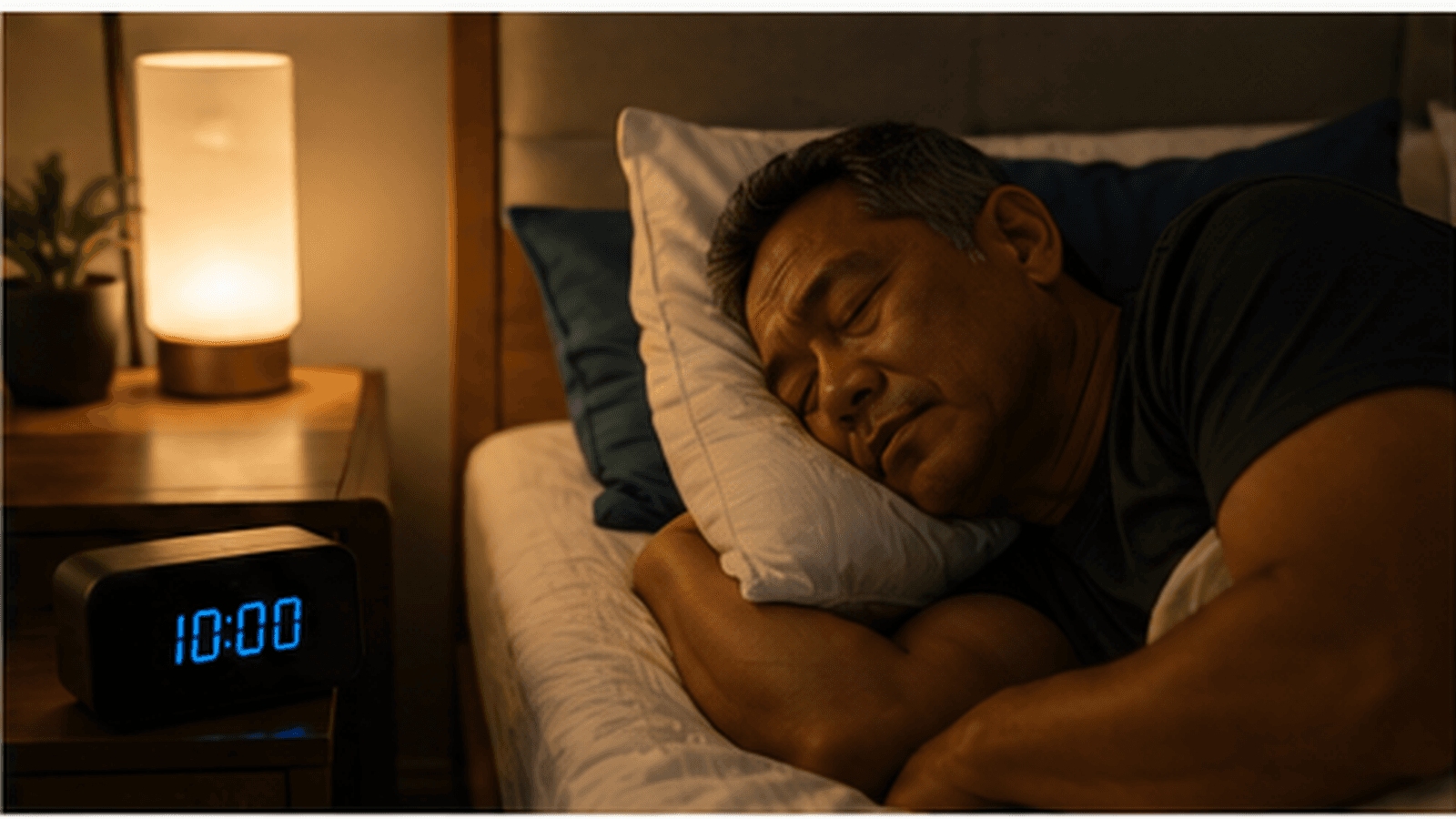
If recovery had a king, it would probably be sleep.
Sleep supports:
- Tissue repair
- Energy regulation
- Hormonal balance
- Memory and learning
- Mood
- Pain sensitivity
- Reaction time
- Physical performance
- Decision-making
Poor sleep does not just make people tired. It can make them less coordinated, less patient, more sore, less motivated, and slower to recover from effort. (PubMed)
That matters whether someone is training hard, trying to get out of pain, learning a new movement, rebuilding after being sedentary, or simply trying to feel more capable. Sleep-extension interventions in particular have shown real, measurable benefits for recovery-related outcomes. (Springer)
DIY Body Lab does not need to turn sleep into a religion. But it should be honest about this: if sleep is consistently weak, recovery gets harder. (CDC)
Active Recovery Counts Too

Many people think recovery only “counts” if it is completely passive. But sometimes light movement helps recovery more than total stillness. That can include:
- An easy walk
- A light spin
- Gentle mobility work
- Calm stretching
- Easy swimming
- A relaxed paddle
- Standing by the water with a fishing rod and your nervous system finally unclenching
The point is not to sneak in another workout. The point is to choose movement that restores more than it drains. That kind of low-effort movement may help by increasing circulation, reducing the sense of stiffness, gently moving joints through range, helping the nervous system shift out of threat and bracing, improving mood, and creating a transition out of “go-go-go” mode. (PMC)
Active recovery is not magic, and it is not always better than full rest. It is simply one more tool.
Recovery Is Also a Nervous-System Problem
A person can be physically still and still not feel recovered. Why? Because the body is not only recovering from muscle work. It is also recovering from stress. (Kellmann, 2010)
A nervous system that stays revved up all day may keep the whole person feeling “on”: muscles stay tight, breathing stays shallow, sleep quality drops, focus gets worse, pain feels louder, and recovery feels incomplete.
That is why recovery can include things that do not look flashy at all: a quiet walk, slow breathing, being outside, unhurried movement, less stimulation, time away from screens, and feeling safe enough to downshift.
Recovery is not only mechanical. It is regulatory. Sometimes the body does not need more motivation. It needs less noise.
Sitting Still Can Be Recovery — Or Just More Stagnation
There is a difference between intentional rest and passive stagnation.
Intentional rest says:
- I am tired
- I am choosing to restore
- I am creating conditions that help me come back better
Passive stagnation looks more like:
- Sitting for hours
- Scrolling endlessly
- Not moving at all
- Staying mentally fried
- Never fully unwinding
- Going to bed too late
- Waking up no better than before
To be clear, not every recovery day needs to be optimized. But if someone says, “I rested all weekend and still feel beat up,” it may be worth asking whether the weekend actually included recovery — or only inactivity. Public health guidance treats extended sedentary time and genuine restorative activity as two different things, not interchangeable. (WHO)
Those are not always the same thing.
Doing less is not always the same as recovering better.
Food and Hydration Matter More Than People Like to Admit
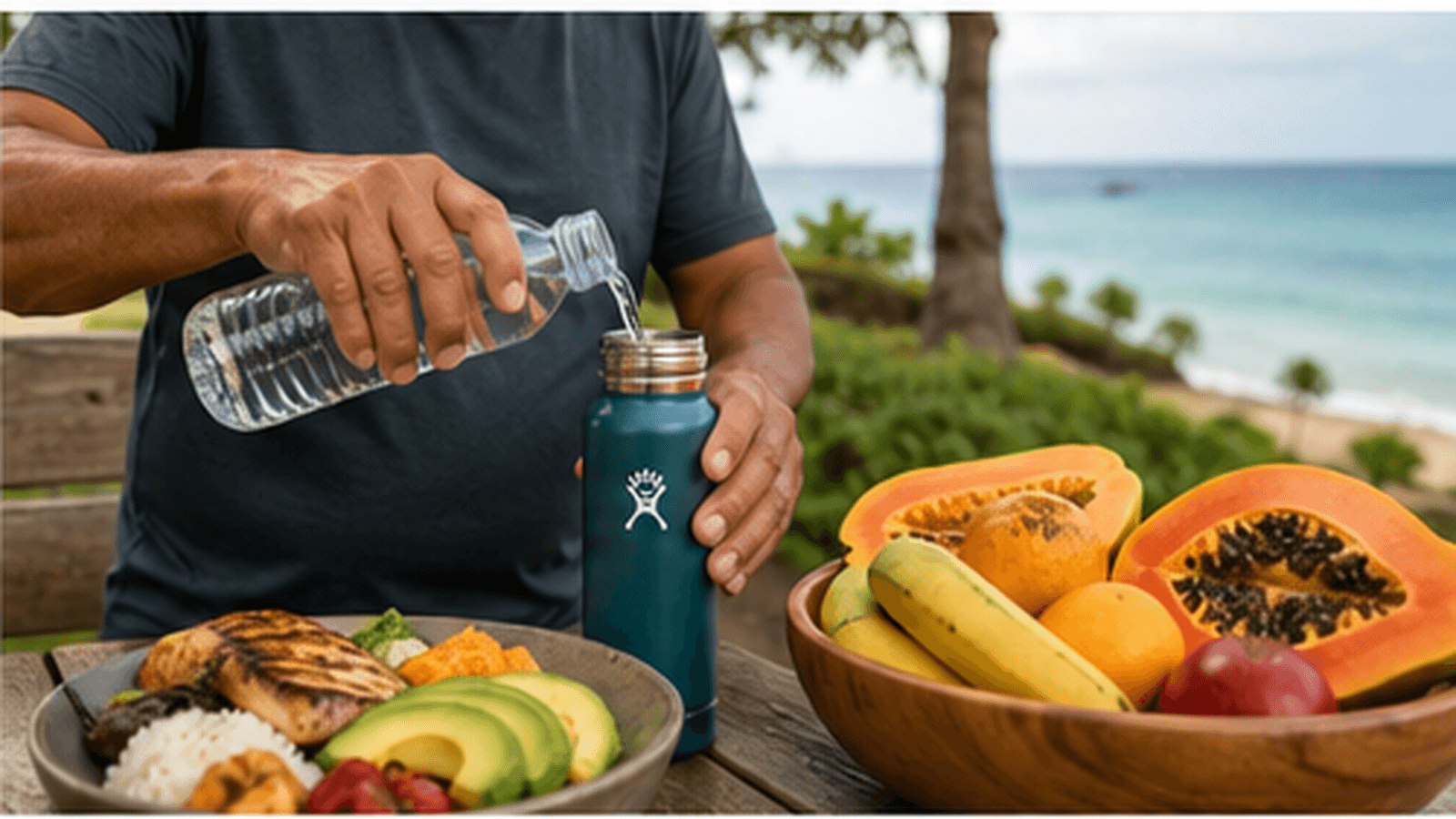
Recovery also depends on basic inputs. The body needs enough raw material and fluid to recover from daily life. That does not mean every article has to become a nutrition lecture. It simply means:
- Under-eating can impair recovery
- Dehydration can make everything feel harder
- Poor fueling can leave people dragging
- Recovery is harder when the system is always under-supplied
Even if someone’s main goal is movement, capability, or getting out of a slump, recovery still depends on the basics. Sometimes the glamorous answer is not the real answer. Sometimes the answer is: sleep more, eat enough, drink water, go for a walk, calm your system down, and stop treating “doing nothing” as the only recovery tool.
Recovery Is Personal, Not Identical
Not everyone recovers the same way. What works for one person may not work the same way for another. Recovery needs vary based on:
- Age
- Training history
- Life stress
- Sleep quality
- Work demands
- Pain levels
- Current conditioning
- Illness or injury
- Heat
- Travel
- Nutrition
- Mental load
That means recovery should be guided by function, not by hype. A useful question is: After this, do I generally feel more restored, more capable, and more ready? Not: Is this the trendiest recovery method on the internet?
Real recovery restores capacity.
What the Experts Are Actually Saying
Different experts emphasize different parts of recovery. Some focus on sleep, some on load management, some on stress-recovery balance, and some on the practical routines that help people restore function.
What This Means for You
Recovery does not need to be fancy. It just needs to actually help. If you want a simple recovery lens, ask:
- Did I sleep enough?
- Did I eat and drink enough?
- Did I keep my stress high all day?
- Did I take a walk or do some easy movement?
- Did I give my system any real downtime?
- Do I feel more restored after this, or just more checked out?
Sometimes the most powerful recovery work is boring. That is fine. Recovery is not supposed to impress people. It is supposed to help you come back ready.
A Simple DIY Recovery Formula
Recovery does not need a spa menu. A practical recovery day might include:
- 1.Sleep. Make tonight better than last night if you can.
- 2.Easy movement. Walk, stretch lightly, move the joints, breathe.
- 3.Downshift. Reduce noise, hurry, and stimulation when possible.
- 4.Fuel and hydrate. Give the system enough support.
- 5.Stop before it becomes another workout. Recovery should restore more than it costs.
That is enough for a lot of people.
Recovery is not just the absence of work. It is the presence of restoration.
Sleep helps. Low-effort movement helps. Calming the system helps. Basic food and hydration help.
Sometimes the body needs stillness. Sometimes it needs an easy walk. Either way, real recovery is whatever genuinely helps you come back with more capacity than you had before.