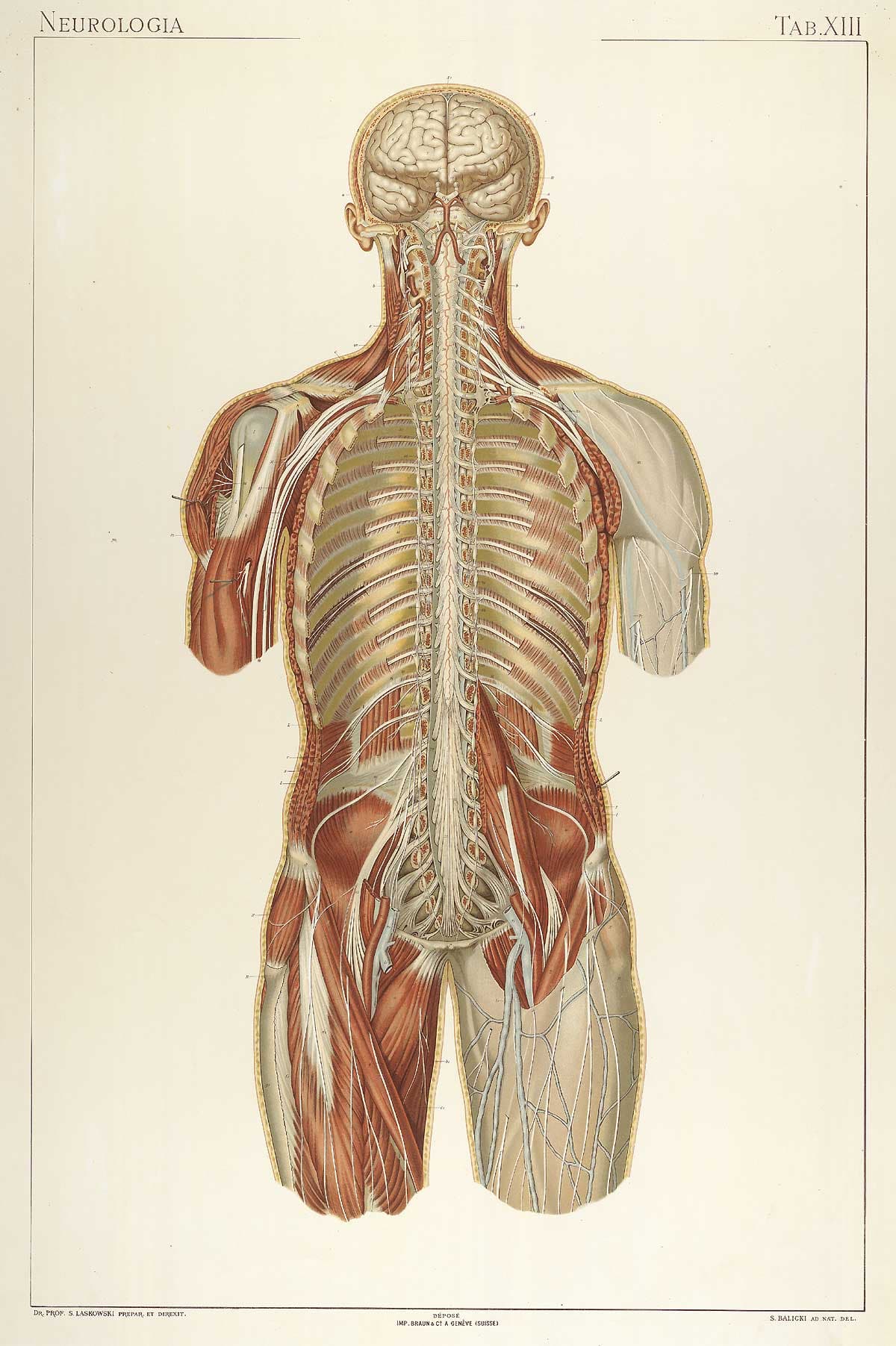
The nervous system is the communication and control network. It takes in information from your tissues, joints, and environment, then decides how much tension to hold, how to coordinate movement, and whether something feels safe or needs protection.
When people feel tight, limited, or “tugged,” the nervous system is almost always part of the picture. It is not only about the tissues themselves — it is also about the signals those tissues are sending and how the nervous system is responding.
This system is always on. It is constantly adjusting tone and readiness, often without you consciously choosing any of it.
Two Big Parts That Work Together
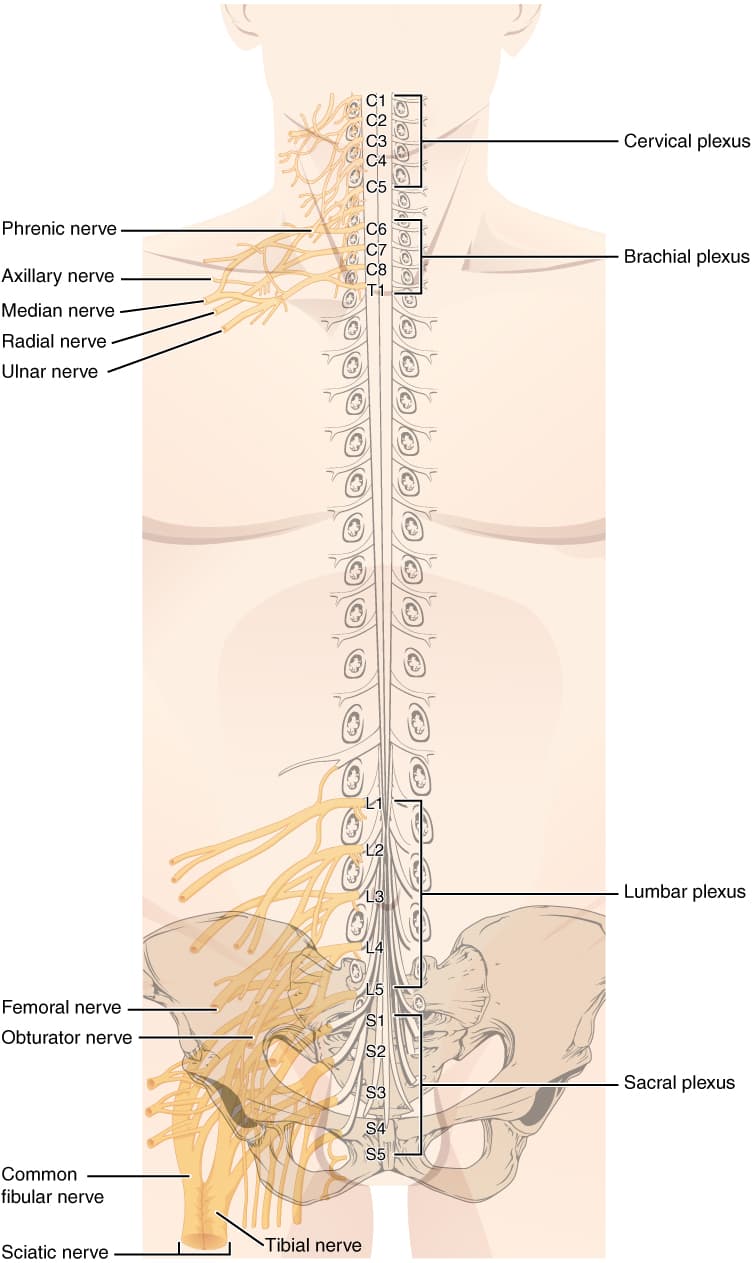
The nervous system has two major parts that work together:
- Central nervous system (brain and spinal cord) — the main processing center
- Peripheral nervous system — the network of nerves that carry signals to and from the rest of the body
Sensory nerves bring information in (from fascia, muscles, joints, skin, etc.). Motor nerves send commands out. A large amount of automatic regulation runs in the background and affects muscle tone, recovery, and how “ready” or “guarded” the body feels.
Because the nervous system is so responsive, changes in tissue quality, movement habits, stress, sleep, and recovery all influence how the body feels and moves. It is not only about the tissues — it is also about the quality of the information the nervous system is receiving.
The Conversation with Fascia and Muscle
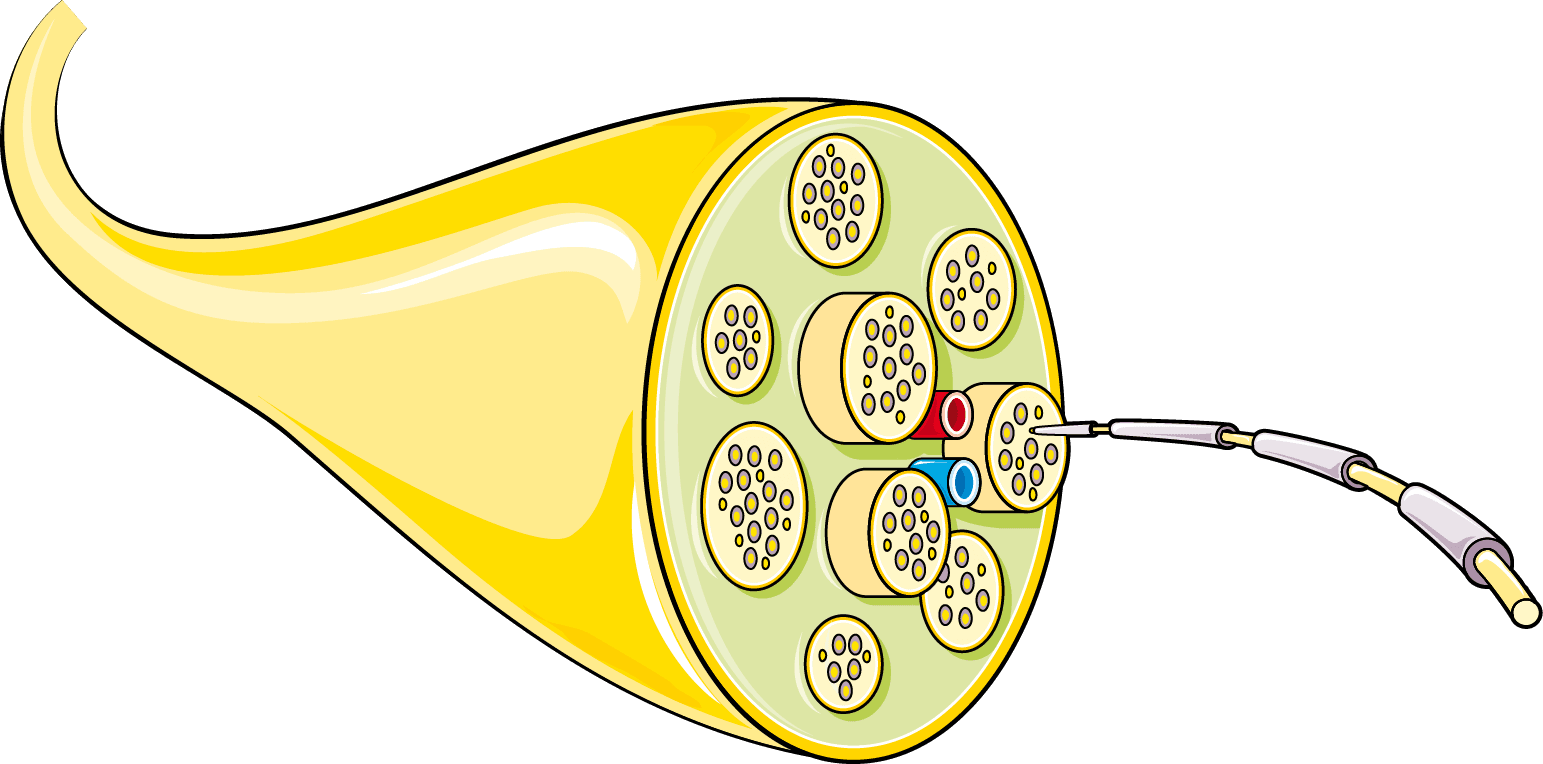
Fascia and muscles are densely supplied with sensory receptors. They constantly report tension, stretch, pressure, and position. The nervous system uses that information to fine-tune muscle activation, posture, and protective responses.
This is one reason the body can feel restricted or uneven even when there is no single dramatic injury. The nervous system may be up-regulating tone or protective patterns based on the input it is getting. Improve the quality of that input — through better movement variety, recovery, and reduced unnecessary guarding — and the body can start to feel more capable over time.
- We are not diagnosing neurological conditions or offering treatment.
- We are helping people understand that the nervous system is a major player in how the body organizes movement and recovers.
- The goal is greater capability and better self-understanding, not becoming a clinician.
When the nervous system gets clearer, more useful information and better recovery conditions, protective tone often has more room to settle. That supports the same shift you’ve already seen with fascia: from chasing isolated parts to improving how the whole system organizes and adapts.
Your Body Is Always Listening

Pain isn’t just a damage signal — it’s your nervous system’s best guess about what’s dangerous, based on everything it’s learned. That’s why an old injury can still ache years after it healed.
Dive Deeper in the Library