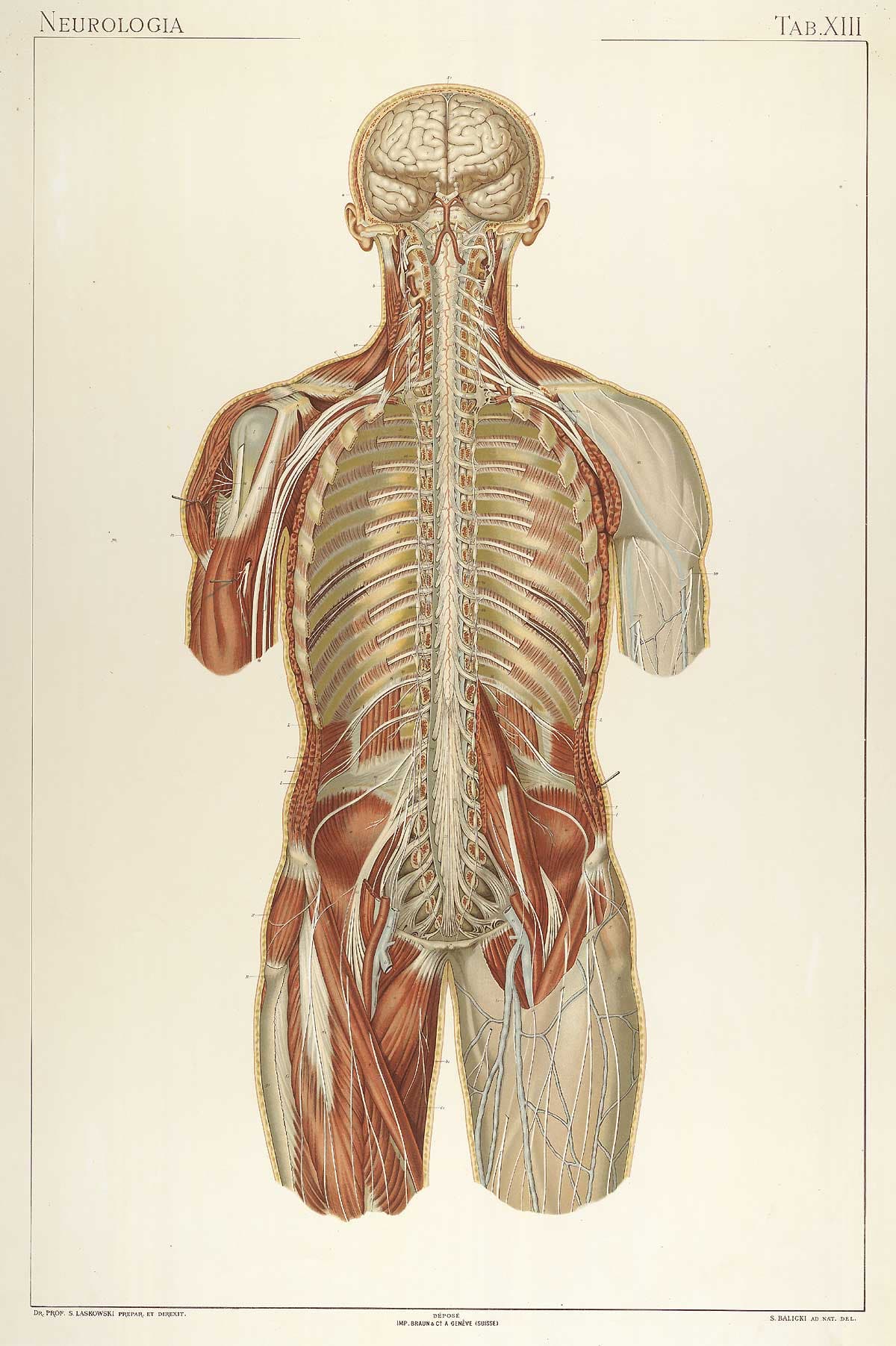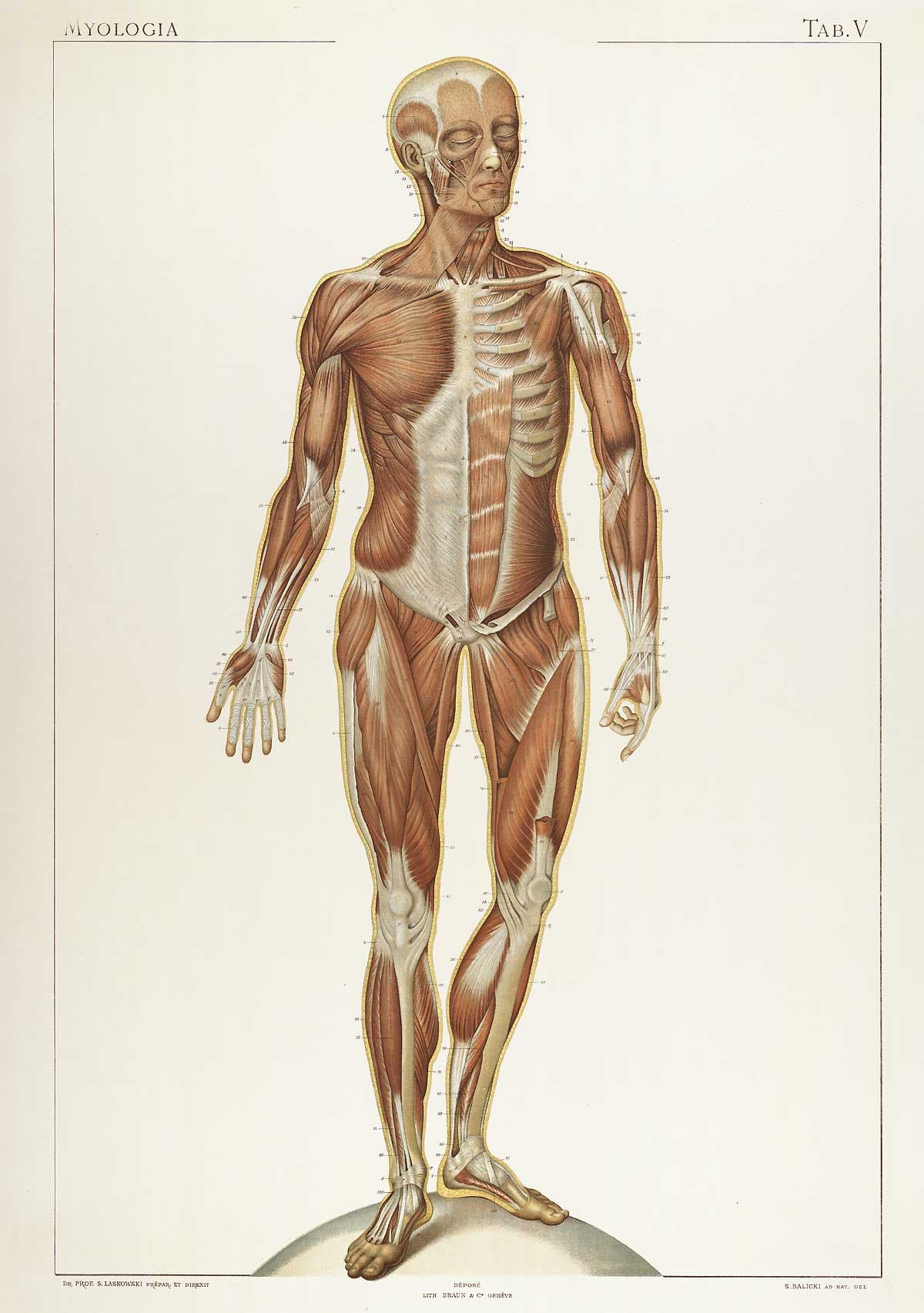
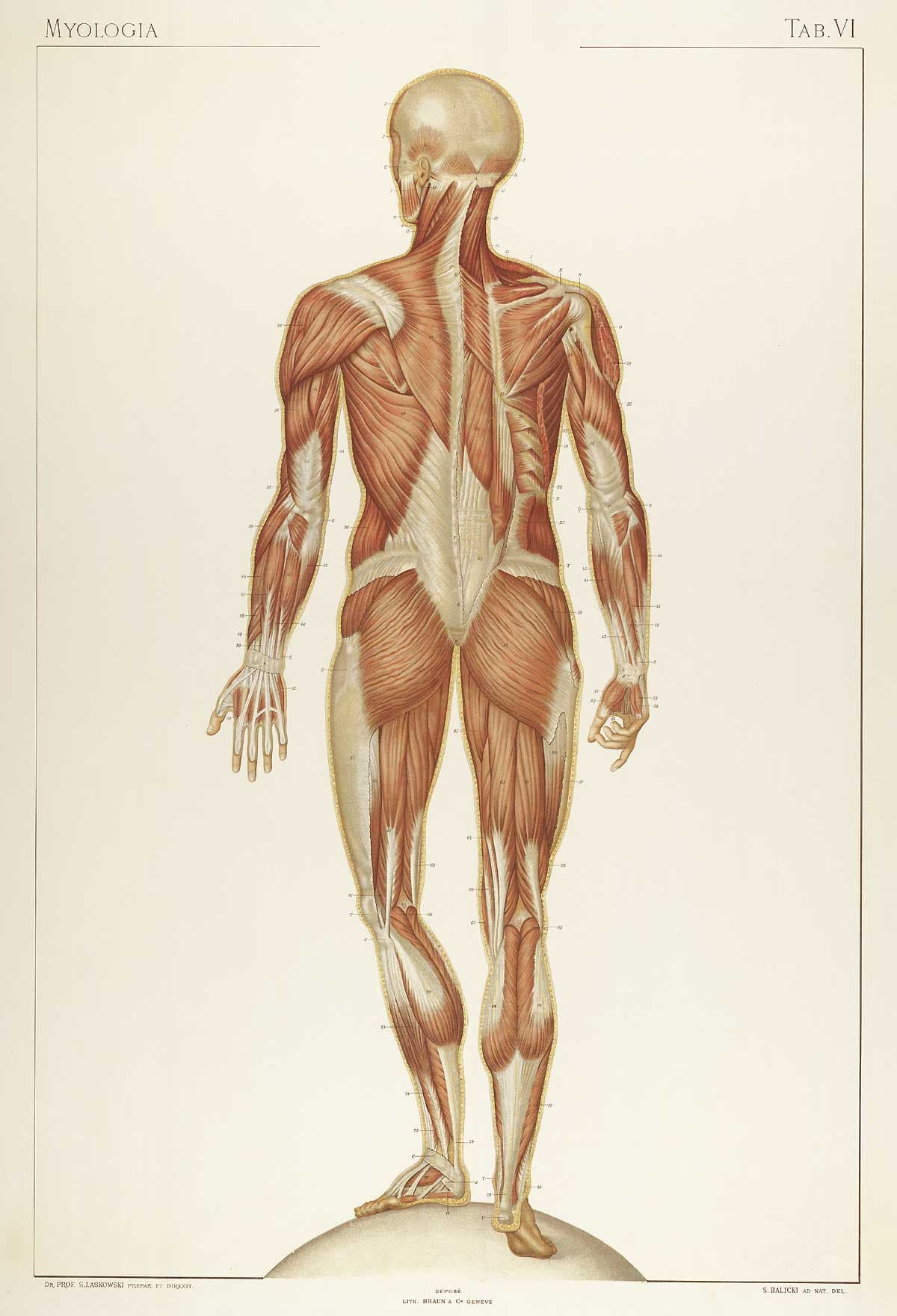
Fascia is the continuous web of connective tissue that wraps, separates, and connects nearly everything in your body — muscles, bones, nerves, organs, and blood vessels. It is not just passive packaging. It is a living, responsive system that transmits force, senses movement, and helps the body stay organized. When fascia becomes restricted or dehydrated in one area, the effects can show up as stiffness, limited range, or the feeling of being “tugged” somewhere else.
A Body Suit, Not Separate Pieces
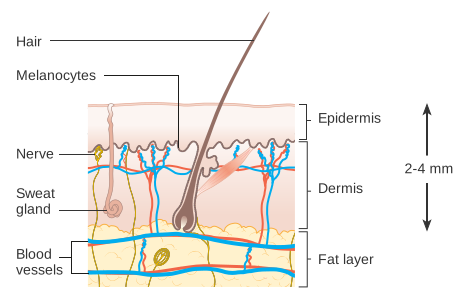
Think of fascia less like separate pieces and more like a three-dimensional body suit that is continuous from head to toe.
It exists in layers:
- Superficial fascia (just under the skin)
- Deep fascia (surrounding and separating muscles)
- Visceral and other deeper layers
Because it is continuous, tension or restriction does not always stay local. A tight area in the foot or hip can influence how the spine or shoulder organizes itself. This is one reason people can feel limited or uneven without a clear single “injured” spot.
Fascia also responds to how you load it, how you move, how hydrated you are, and how recovered you are. It is not fixed. It adapts.
Force Transmission and Sensory Feedback
Modern understanding treats the fascial system as a full-body network that contributes to force transmission and sensory feedback. Research has shown that a meaningful portion of force generated by muscle can be transmitted through connective tissue pathways, not only through tendons in a simple straight line.
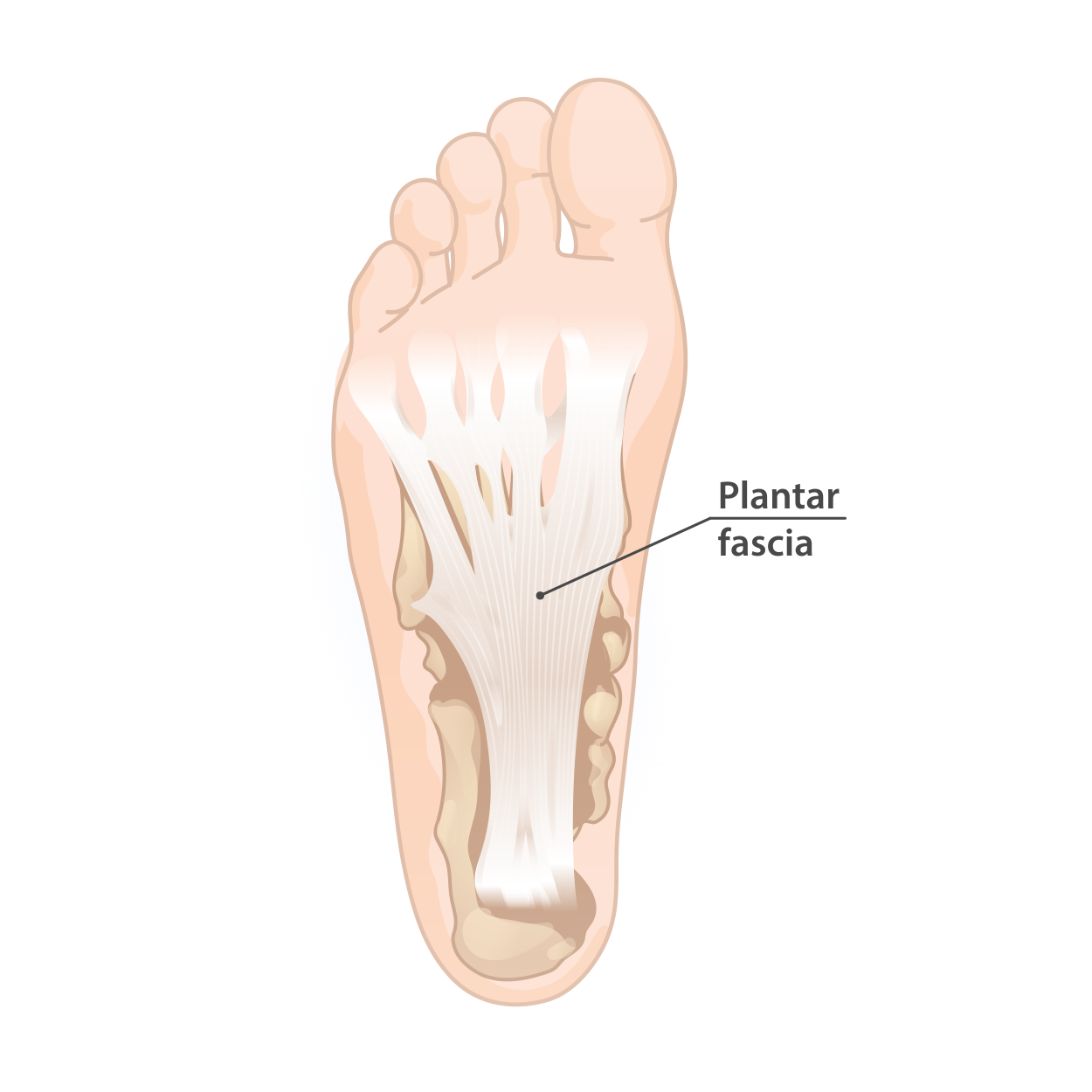
The plantar fascia, shown here, is a clear regional example — one continuous band of tissue along the sole of the foot that helps transmit force with every step. This helps explain why movement quality and the feeling of “connectedness” in the body can change when fascia is restricted or when it is given better input through varied movement, recovery practices, and consistent loading.
- We are not diagnosing or treating.
- We are giving people a practical map so they can understand why their body can feel pulled, limited, or uneven, and so they can make better decisions about how they move and recover.
- The goal is greater capability over time.
Why Fascia Needs to Glide

Fascia works best when its layers can slide smoothly over each other. When that sliding is free, movement tends to feel easier and more connected. When the layers get sticky or restricted, you can feel tight, limited, or like one part of your body is tugging on another.
Think of it like a shirt that slides freely over your skin versus one that clings and bunches. The tissue itself needs to be able to move and glide so the rest of the system can organize well.
Hydration, varied movement, and how you load your body all influence whether that glide stays healthy or starts to feel stuck.
Fascia is arranged in layers that need to slide relative to one another. Healthy ground substance (the fluid-like material between fibers) and good tissue hydration help that sliding happen. When areas become denser, dehydrated, or under-moved, the layers can lose some of that freedom.
This matters because force and movement don’t travel through the body in simple straight lines. They move through the fascial network. If glide is restricted in one region, the system often compensates somewhere else — which is one reason people feel uneven or “tugged” without a clear single injury.
Fascial glide is also tied to sensory feedback. When layers move well, the nervous system gets cleaner information about tension and position. When they don’t, the body may respond with extra tone or protective patterns.
Practical takeaway:You’re not trying to “release” fascia in a dramatic way. You’re trying to give the tissue the conditions it needs — varied loading, recovery, and hydration support — so it can keep sliding and adapting over time. That supports better movement quality and a more capable system overall.
This is DIY education, not clinical instruction. The goal is clearer understanding so you can make better decisions about how you move and recover.